



2026 FIRST Mobile Filmmarking Program
At 11:47 p.m., 18-year-old Xiao Pi finally finished his studies for the day. He climbed into bed, pulled the bed curtain closed, let out a deep sigh, and settled into his evening of cyber leisure: he scrolled down—someone had condensed the last two hours before their phone died into a five-minute clip; the next time, someone had packed a kitchen fantasy into the length of a song; the third time, the fourth time… Video after video, life is directed into an endless stream of snippets.
Xiao Pi began to wonder if today’s journal entries were worth turning into a story: In the afternoon, the lady at the cafeteria window had given him an extra spoonful of vegetables; at dusk, the playground glistened after the rain, and the setting sun cast a halo over the school building, as if in a “Blue Note” moment; on the way back to the dorm, a high school classmate he hadn’t been in touch with for a long time suddenly sent him a message, saying he hadn’t been doing very well lately.
These events were all too trivial; it seemed unlikely they could be woven into anything grand. Xiao Pi thought back to the book he’d read that afternoon: the writer Jin Ailan began her story with the noodle shop where she grew up, and her cramped childhood daily life became the starting point for her writing. He scrolled through his phone. The 3 GB of photo album footage was rough and fragmented. He wasn’t an expert at video editing apps, but he’d at least gotten the hang of the basics. If he kept letting these slices of daily life pile up, wouldn’t he end up missing out on his own college life? He murmured:
“Can my ‘imperfect footage’ tell a complete and special story?”
“Of course it can,” came the senior’s voice from the bunk below: “There’s always a class that can teach you how to tell your own story—whether in the classroom or in real life.”
Starting in 2025, the Ultra-Short Film Section of the FIRST Youth Film Festival, in collaboration with its strategic partner vivo, launched the “Youth Mobile Film Project” for the first time. Beginning with film and video creation at professional institutions and extending to the documentation of young people’s daily lives, the initiative offers a series of courses, public screenings, and creative support programs for college students nationwide.
Together with the School of Drama and Film at the Communication University of China, the Film Academy at the Shanghai Theatre Academy, and Peking University’s Centennial Memorial Hall, we have created a lighthearted yet focused creative laboratory. Through semester-long courses and creative practice, more than 300 students transformed what they learned in the classroom into creative energy. Sixty student works stood out and received support, and ultimately, five works were shortlisted for the 2026 FIRST Youth Film Festival’s Ultra-Short Film Section.
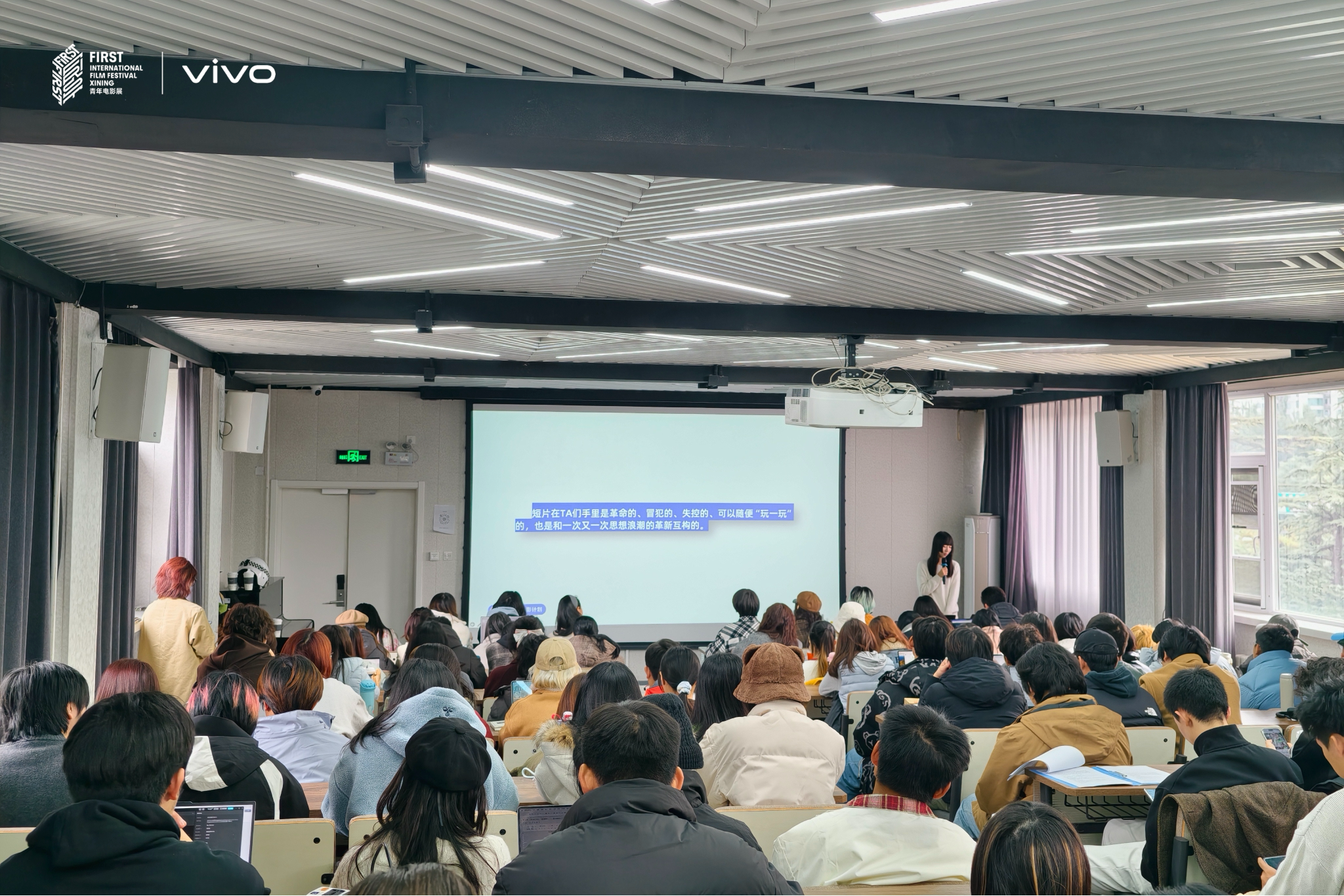
“Being shortlisted” is a clear outcome, but the moment a micro-film begins often stems from real-life scenes, first-person perspectives, candid snapshots of daily life, or the whimsical flights of fancy that escape during the course of a 24-hour day. It is precisely because these moments are imperfect that they feel so authentic.
A young mother is struck by a melody; pots, pans, and utensils become instruments as she briefly re-enters her long-lost musical dream, only to be pulled back by housework, childcare, and a baby’s cries. In last year’s university mobile filmmaking course project, *Kitchen Waltz*, the song and dance were not a premeditated strategy but rather stemmed from director Huang Yanni’s observations of the repetitive, mundane motions in the kitchen. At just five minutes long, the film is too brief to be sentimental, yet it’s enough to make viewers empathize with the message that “dreams must be constantly recalled; otherwise, they’re easily forgotten.”
“Is the cell phone a filming tool, or a vessel for the contemporary human condition?” This persistent question posed in class prompted director Yu Hang to retain the raw screen-recording format. The footage in *Cyber Life Countdown* consists almost entirely of the cell phone screen itself: screen recordings, pop-up windows, battery percentage, and a constantly refreshing news feed. A day in the life of a working person is compressed into a flickering countdown on the screen, with genuine anxiety leaping off the screen.
When job seekers face AI competitors with flawless logic, director Tang Shirui uses a minimalist setup to depict a final interview that seems almost destined to fail—until an internet outage disrupts the order. *The Final Interview* compresses technological anxiety into tangible human moments; the lesson lies in finding those few seconds when AI is absolutely unbeatable.
*video_0019*, meanwhile, focuses on a pregnancy repeatedly captured by the camera. When a mobile video unexpectedly goes viral, the couple begins running a social media channel, with the husband continuing to film his wife until the boundaries of her body and life are pushed to the breaking point by the constant “gaze.” Director Liu Enqi’s core insight from the course is to let the different “modes of being watched” become the narrative itself—the cold detachment of surveillance, the intimacy of an action camera, and the sense of distance in a smartphone selfie. As viewers switch between these different mediums, they experience that inescapable predicament.
The death of a little hamster was originally nothing more than a few minutes of crying and a hasty burial. Director Wang Tianshu, however, brings this fleeting detail back into focus, keeping *The Death of a Hamster* on a microscopic scale while questioning why it carries such weight in our memories. Five minutes are enough to convince us that “smallness” itself carries weight.
A photograph, a screen recording, a moment of wandering off in the kitchen, a surveillance clip, a tiny death that occurred within a family… All of these can serve as gateways to understanding life. It’s not that a “complete and extraordinary story” must exist before it can be filmed, nor can a classroom teach a universal methodology—but we can repeatedly practice one thing: returning those everyday moments we’ve grown accustomed to overlooking to a place where they are “worth seeing.”
In an age when anyone can wield a camera, what remains most precious is the pair of eyes through which we discover the colors of the world.
We live in an era of unparalleled creative expression and unprecedented ease of filming. Yet those behind the camera or at the editing desk often decide how a story should be told before truly observing it. Guest mentor Qin Tian left this note: “Our creative horizons are narrowing; individual experiences seem to stem only from tragedy and denunciation, and the rich hues of life are sorely lacking in Chinese creative works. The standard for progress lies in cultural cultivation—in how we view culture and life. No one can replace an 18-year-old’s unique perspective on life and death.”
“My work isn’t good enough” may be the reason many people hesitate to press the record button. Over the past year, the Youth Mobile Film Project has entered campuses, echoing the 2026 FIRST Ultra-Short Film Section’s annual theme, “Cyber Diary,” and has gathered a diverse and multidimensional array of everyday perspectives from creators of various backgrounds. Through one or many creative exercises—from the classroom to the screen—they, like Jin Ailan, have gradually come to understand that small stories need not rush to prove their grandeur; a multitude of “small” stories will naturally leave behind an ever-evolving lexicon of the times, ultimately revealing the big picture through the small details.
Youthful experience is not yet mature; it has its own time, scale, and weight, and its incompleteness may—or perhaps inevitably—be what makes it unique.
In 2026, FIRST and vivo will continue to join forces with the School of Drama and Film at the Communication University of China, the Film Academy of the Shanghai Theatre Academy, and numerous other universities to launch the Youth Mobile Film Project. Extending beyond technical training to encompass observations of daily life, perceptions of the times, and visual expression, the initiative aims to help young people discover what they are experiencing and how they can express it—creating sincere and unique visual narratives within the confines of a small screen.
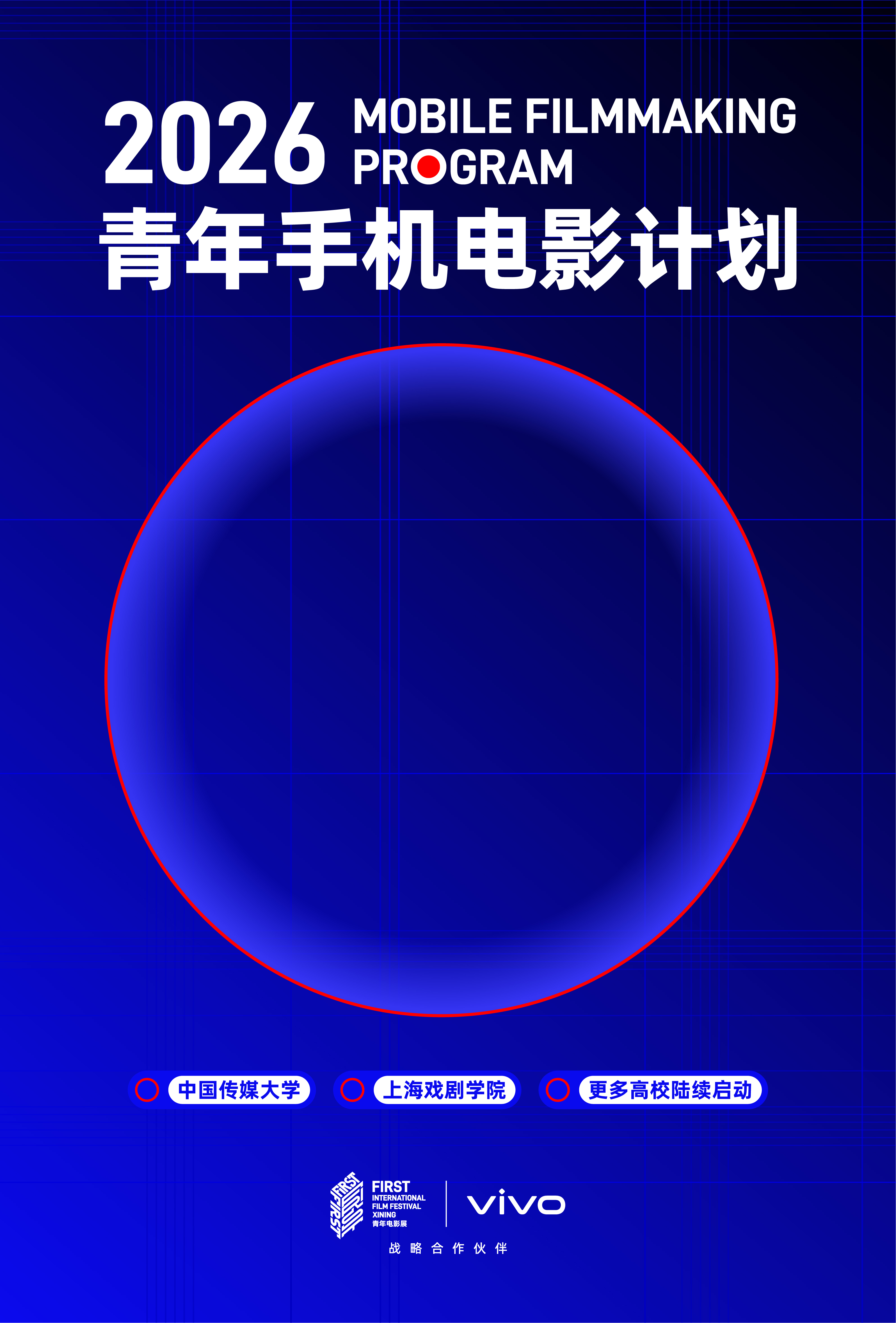
From observing life to planning a shoot, from classroom exercises to supported creative projects, from a film that begins on a smartphone to the opportunity to reach larger stages such as film festivals—we don’t need to pretend we can make great films right from the start. We can keep experimenting until our visuals come closer and closer to what we truly want to express. Starting with a single earnest act of documentation and filming, we can become the creators we aspire to be.
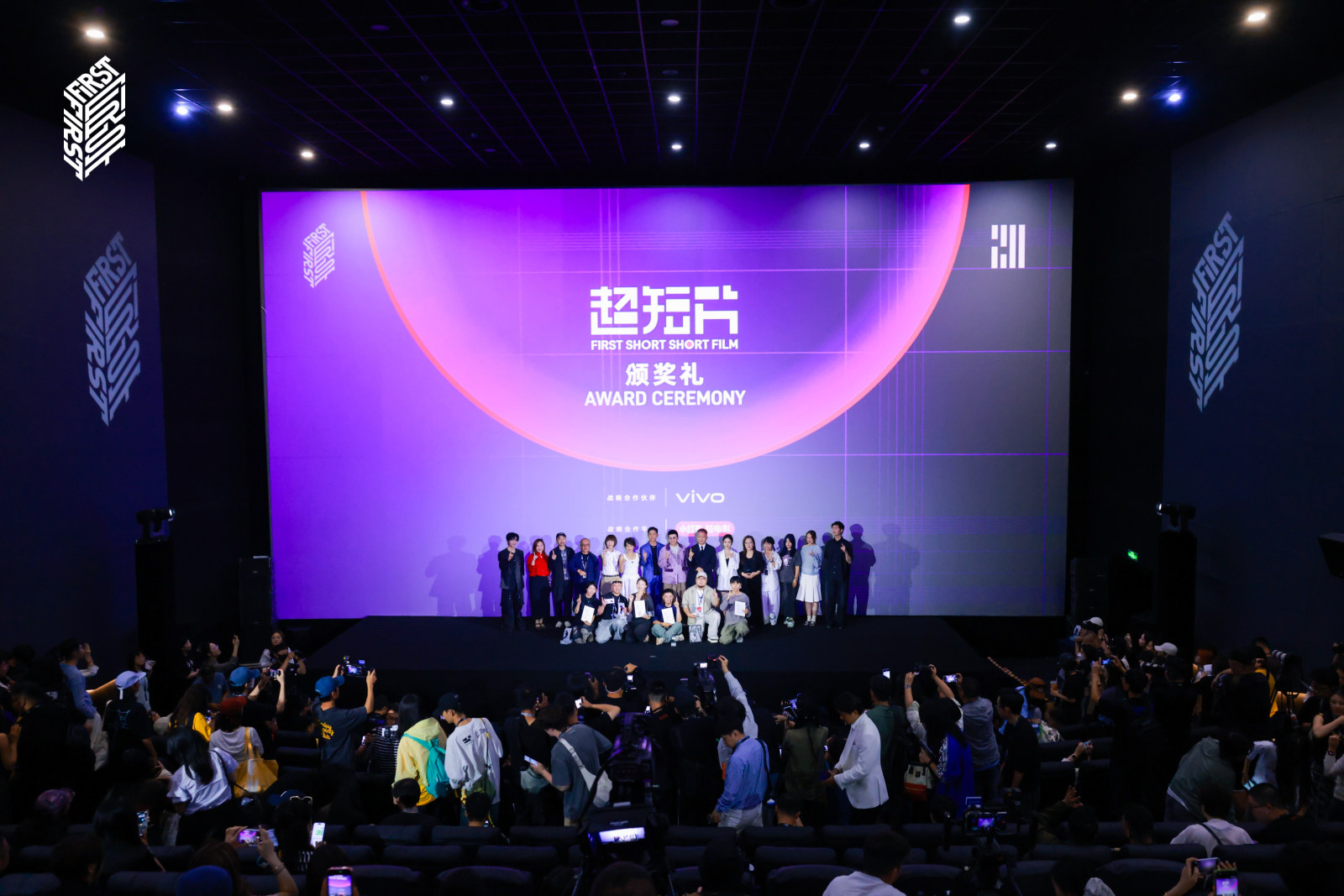
For five minutes, there’s no need to feel pressured to create a masterpiece. Years from now, when today’s young people look back on their eighteenth year, they may not remember the full content of a particular class, nor the specific lens used during their first photo shoot. But they might remember that there was a time when they began to carefully observe the hallways they passed every day, listened intently to every word their friends said, and thought deeply about why a certain memory made them linger time and again.
Returning to that night at the beginning, Xiao Pi was still lying on his dorm bed. He began to carefully recall the last class before the afternoon shower, the sigh of the cafeteria auntie as she started her shift, and the correspondence he’d exchanged with his high school classmates since entering college. He felt he should fish these memories out of the corners of his mind and let them bask in the sunlight.
In the fall of 2026, cast aside the confusion of the new semester, join the Youth Mobile Film Project, rediscover the details of life, and practice the possibilities of self-expression. A journey of a thousand miles doesn’t require waiting for a perfect story—it begins with a single tap, and with the belief that the imagination of an 18-year-old “me” is irreplaceable.