



Training Camp Recruitment | The Sun Rises in the West
“Philosophers do not emerge in places that are too hot or too cold.”
Above the equator, the sun shines steadily and generously; in this endless summer, there is no anxiety. Yet the day-after-day heat and the predictably arriving rainy season have shaped a different kind of philosophy—one that need not worry about tomorrow, but simply celebrates the eternal present. Hermann, the 18th-century German scholar who proposed “climatic determinism,” could never have anticipated that a century later, a writer named Alexander Solzhenitsyn would pen the 1.4-million-word *The Gulag Archipelago* amidst the bitter cold of Siberia, once again overturning Hermann’s theory.
And the desolate wilderness of the Northwest is no stranger to literature. Geographically, the West often refers to “frontiers,” “margins,” and “vast tracts of untilled land”; Western films once embodied a powerful spirit of frontier expansion. In North America, it was Monument Valley as seen by the pioneers of the 19th-century westward expansion, a waystation where the law had not yet reached, and a fleeting myth of freedom and violence sketched by the revolvers holstered at cowboys’ waists. On the East Asian continent, China’s West is the realm of roots-seeking literature, modern epics, and the “Northwest Wind”; it is the enlightenment of martial heroines, the allegory of homeland and nation in the westward journey, and the harmony between heaven and earth as one faces the yellow earth.
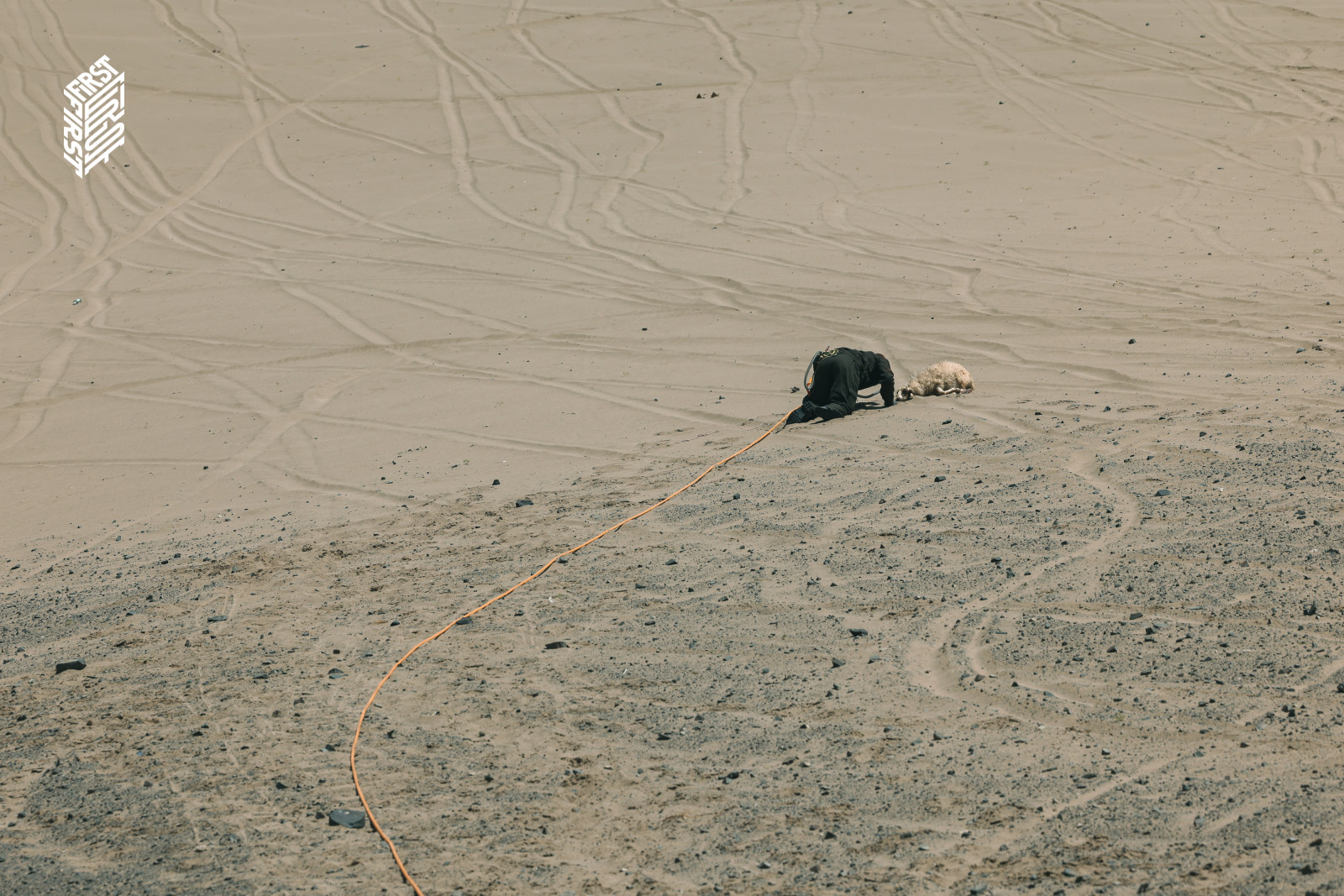
Half a century later, with no more heroic duels over divinely bestowed rights and no more collectivist romance of battling heaven and earth, the 19th-century bandits and outlaws have donned a digital guise—the new century’s West presents a beautiful face, while the hooves of pioneering knights clatter over the rhythms of urbanization.
After winning an Oscar for *Nomadland*, director Chloé Zhao reflected on her creative period of uncertainty, sharing this spiritual insight: “In my thirties, I was more like a pioneer: heading west in search of treasure. I wanted to go as far as possible, chasing one horizon after another. The camera is insatiable; it wants to capture everything. I was always on the road. Then, when I turned forty, after going through a midlife crisis, I realized I couldn’t keep running away from myself… You have nowhere to go; you can only enter the ‘underworld’—enter your own inner self, where all your shadows are hidden.”
From setting out toward the external, geographical West, to ultimately returning to explore the internal, spiritual wilderness, the West has no boundaries; it possesses many colors and climates. Today, cinema itself is once again entering a new “West.” Technological shifts, media migration, the restructuring of platform logic, the fragmentation of viewing habits, and the relentless encroachment of AI… The old order is crumbling, and new rules have yet to take shape. Creators are forced to the margins—geographical, identity-based, technological, and cinematic.
🟩This year’s training camp is themed “Neo-Westerns.”
There is no need to be bound by the conventional conventions of the Western genre, but one can consciously evoke its classic elements—migration, duels, escape, and the tension between civilization and the wilderness—as the core of either a genre reinvention or a geographical imagination, infusing them with new, contemporary, and personal significance.
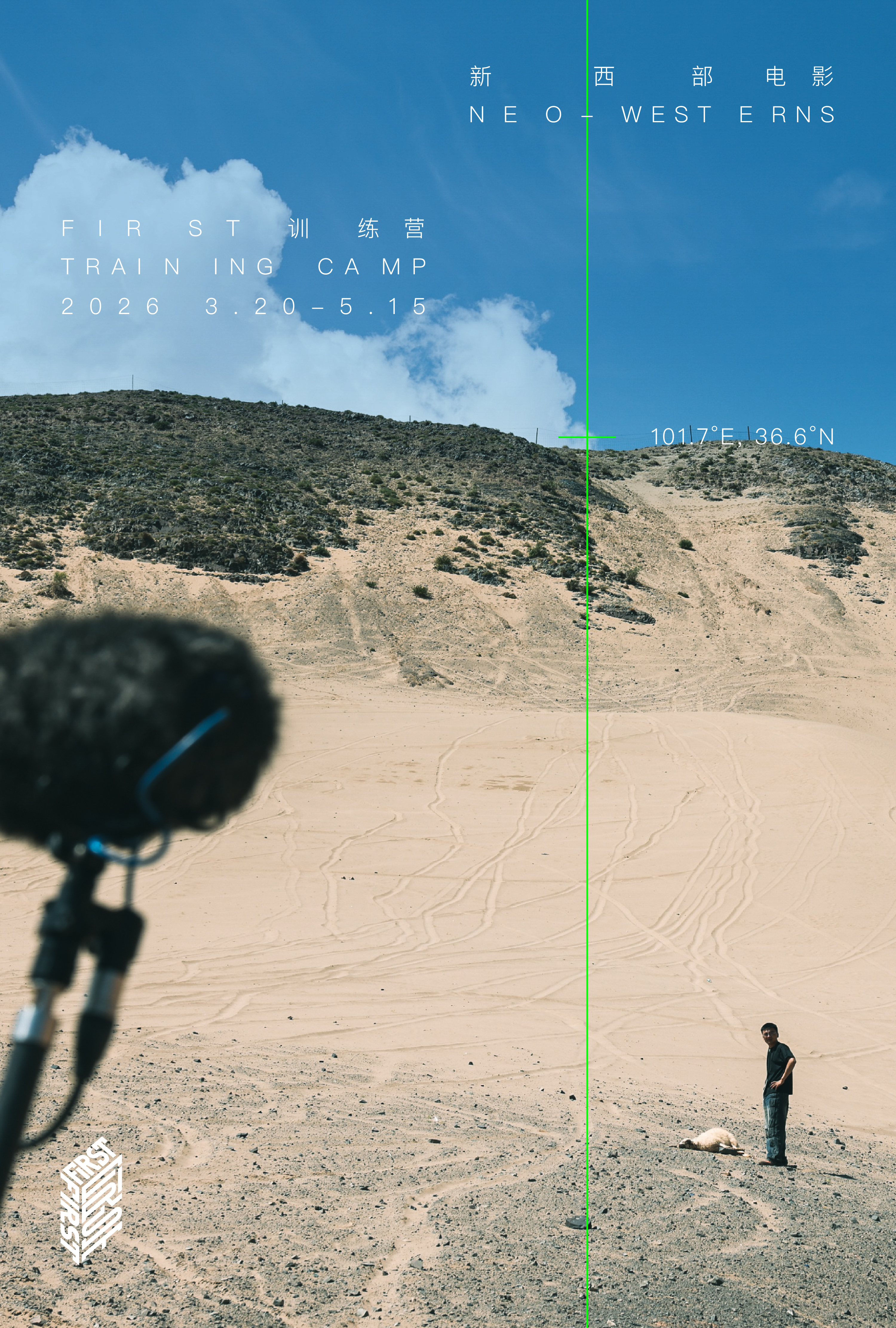
The 20th FIRST Youth Film Festival Training Camp is now accepting applications for six key roles: director, producer, cinematographer, art director, sound engineer, and editor. Applications are open from March 20, 2026, through May 15, 2026. Please click the “Read More” link at the end of this article to visit the official website for the application guidelines and other details.
In *The Ballad of Buster Scruggs*, the old prospector played by Tom Waits, armed with a shovel and a pan, uses a scientific yet extremely primitive method to dig rows of neat little holes in the riverbed. By observing the subtle differences in gold content in the gravel of each hole, he deduces the location of the gold vein’s core. The pace of his work is so slow, it resembles nature giving birth to a tree, a diamond, or a landscape.
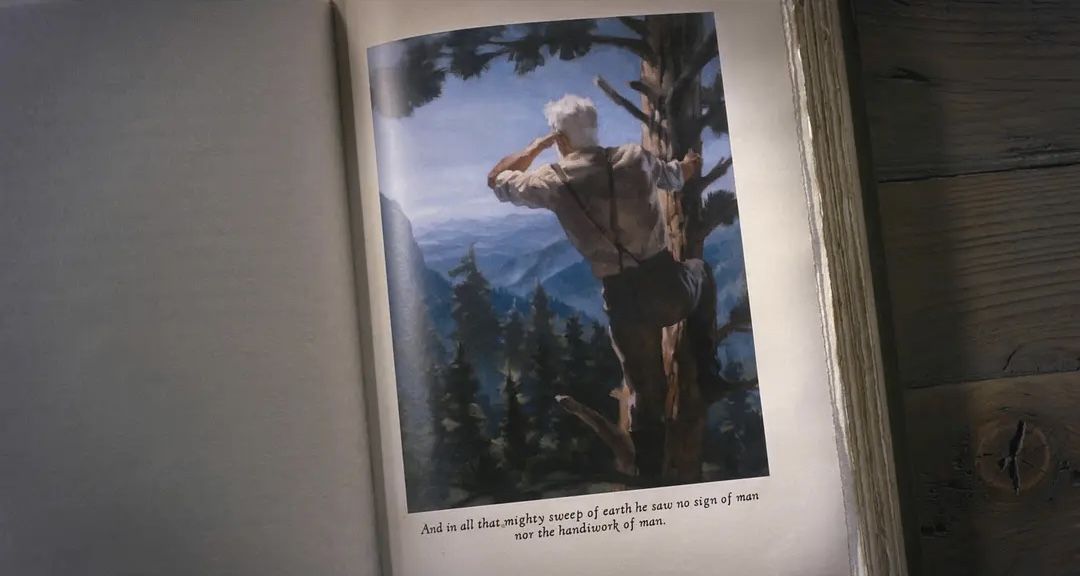
As the struggle came to an end, the stag walked to the edge of the pit and sniffed the unfamiliar scent. The trickling stream and the birdsong still echoed through the air, and the gold prospector waved goodbye, as if he had never set foot there.
Human stories are like mines carved into the earth, but no matter how insignificant we may be, we still have the chance to create our own stories.
So as long as the people in the stories are us,but not us.