



Venture Capital Pitch Call Open|The Untimely Stone
Now, in the 2020s of this century, the experimental arena of realist storytelling remains a hive of activity. Amidst the encroachment of other forms offering narrative experiences, we recall that moment: why did people marvel at Antonioni in the 1960s? Because some works are challenges in themselves—challenges to the contemporary world, to lived experience, to the weight of self-affirmation, to the constraints of non-freedom.
Those unfamiliar faces, individual expressions defying standardized grammar, formal inquiries beyond genre conventions… Countless explorations presented through order and disorder have been embraced over the past sixteen years into Xining’s long days, forming a cinematic language that continuously narrates contemporary experience.
At the close of 2025, among nearly 200 film projects and creators who have reached Xining, we invited representatives of filmmakers who once participated in the FIRST Film Project Market to reflect on how their films were authentically created, propelled forward, misinterpreted, and sustained. These once “untimely” storytellers reunited to complete an archival endeavor:
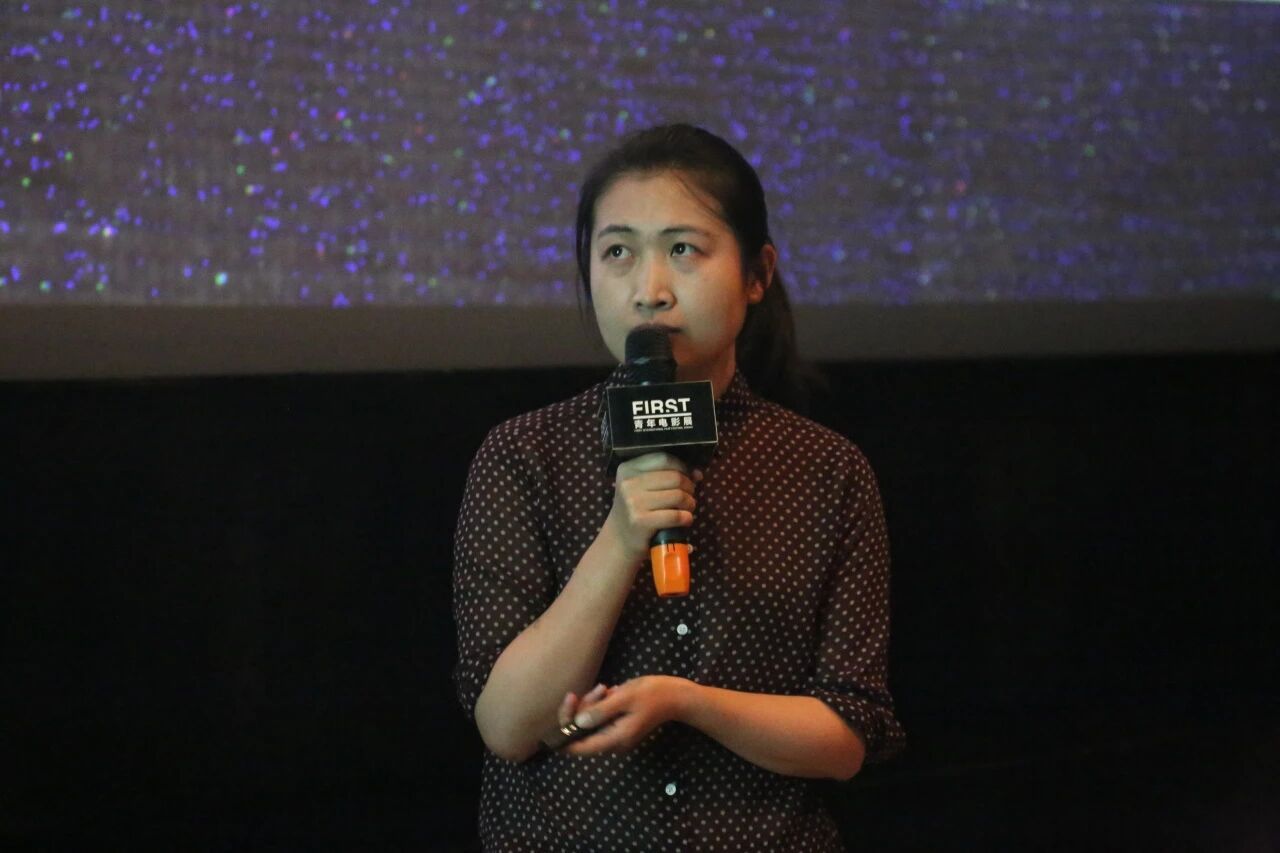
In 2014, Cong Cong pushed through to tell the full story of Send Me to the Clouds; Wen Muyan unveiled the outline of his first feature project; Shao Pan, dressed in a crisp white suit, let Quiet Justice stand silently before the crowd. She spoke of the “disparities” she saw then, existing among her peers. We seemed to stand together on a low plain, our unrestrained yearnings lifting us to gaze collectively toward the lofty heights of cinema’s future.
That posture of looking up has persisted for the past thirteen years. Every filmmaker standing at a similar starting point has sought their own path through their respective uncertainties. The names that made the shortlist in 2014 have all ultimately proven themselves through their feature films—some took longer journeys, yet they still conquered time.
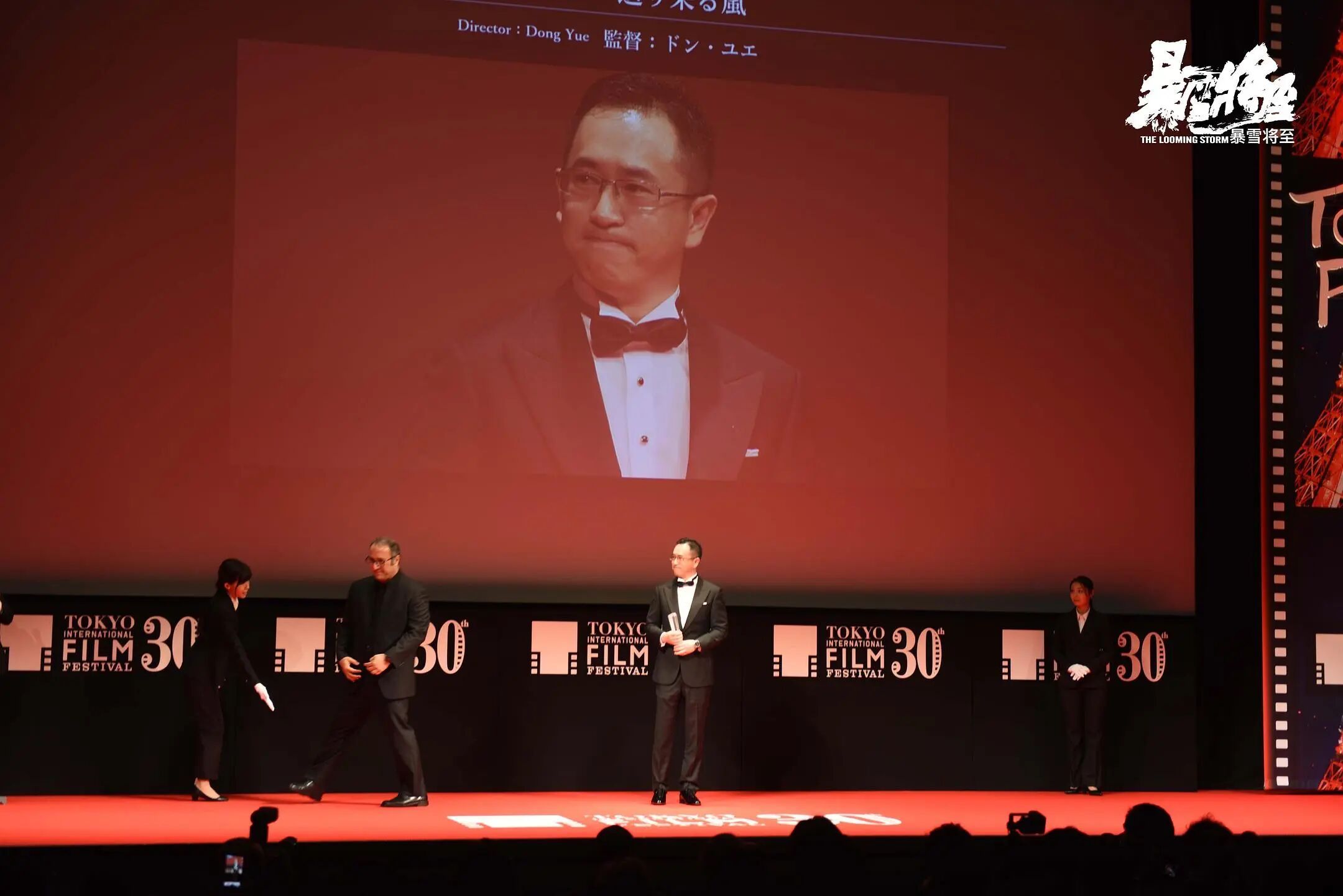
In 2015, Dong Yue took his script The Snowstorm Is Coming—written out of sheer defiance—to a film pitch event. He’d expected his years of experience as a contractor would let him deliver his pitch with ease, but his body began trembling before his mind could catch up. It felt like someone was ringing a bell inside him. Yet the desire to make a movie, like a monkey awakening from slumber, was impossible to contain. Somehow, he muddled through the presentation.
Returning to Beijing from Xining, not a single frame of film had been shot, yet people were already calling him “Director.” He was mortified, only later realizing that discerning people care not for your struggles or journey, but solely for the story you hold within. From then on, he followed his instincts, walking and stopping, stopping and observing. Blizzard eventually won an award at the Tokyo Film Festival. While its box office performance wasn’t exactly stellar, he says that looking back, it has grown a certain charm—a kind of “don’t listen to the sound of leaves rustling through the forest” quality.
2016年,周子陽带着易稿16次的《老兽》来到FIRST。世界已缩成手中的故事,他不在意台下是谁、谁会投钱,只想说出对电影最由衷的理解。那一刻,世界骤然安静,“台下仿佛空无一人,只有我和我的电影相对而立”。那种全然专注、无所旁骛的状态,他至今怀想。
进入电影界后,许多事情发生了变化。嘈杂的声音从四面八方涌来,他要花费很大力气才能听清自己。他会对当下感到怅然,却从未对电影本身失望。
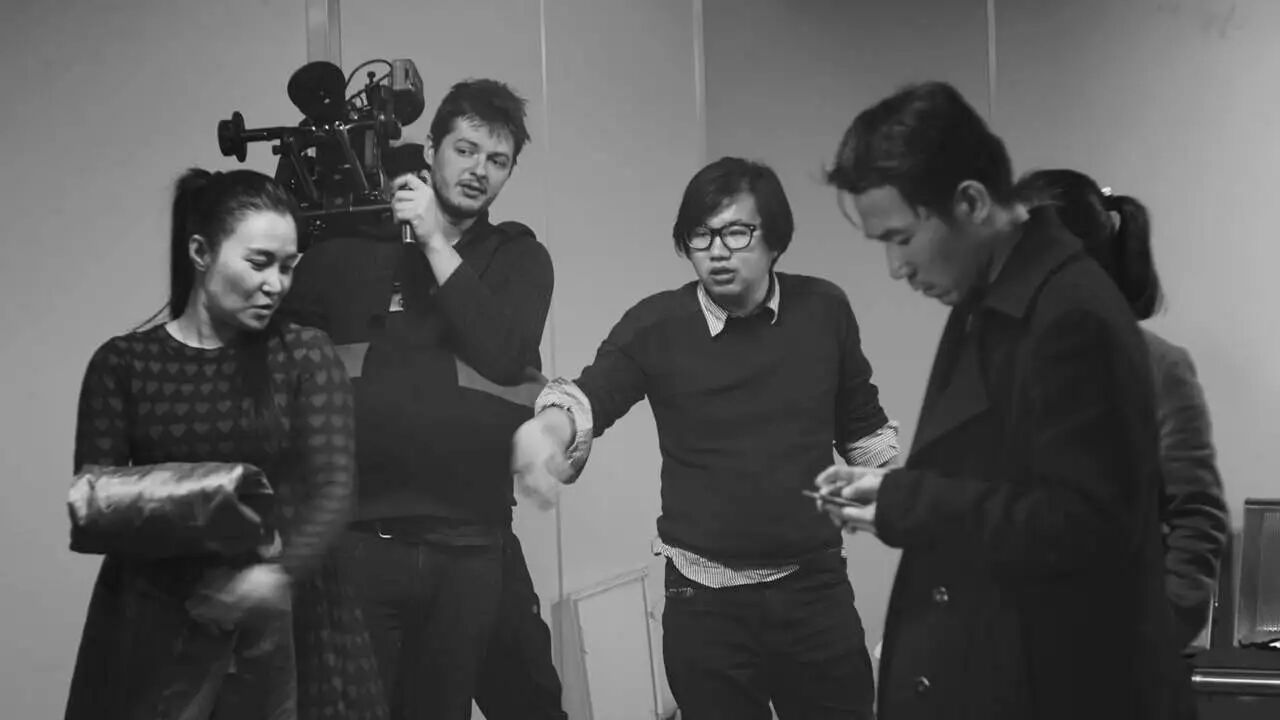
In 2017, Wang Tong’s The Long Night Is Ending arrived in Xining, a city blessed with long daylight hours. After the closing ceremony, on his way to Qinghai Lake, he played Wild Chrysanthemum’s “Don’t Worry” on repeat for four hours—it also served as the soundtrack for the 2017 training camp’s behind-the-scenes notes. In the chilly night air by the lake, he and his friends huddled together to watch director Ma Li’s five-hour film Prison. The screen’s light was the only source of warmth on the barren land, while the immense authenticity within the images burned with a stinging intensity. In July 2025, this once “young man with an unfinished script and an uncertain future” returned to Xining’s main competition with The Long Night Ends, winning honors for Best Screenplay and Best Actor.
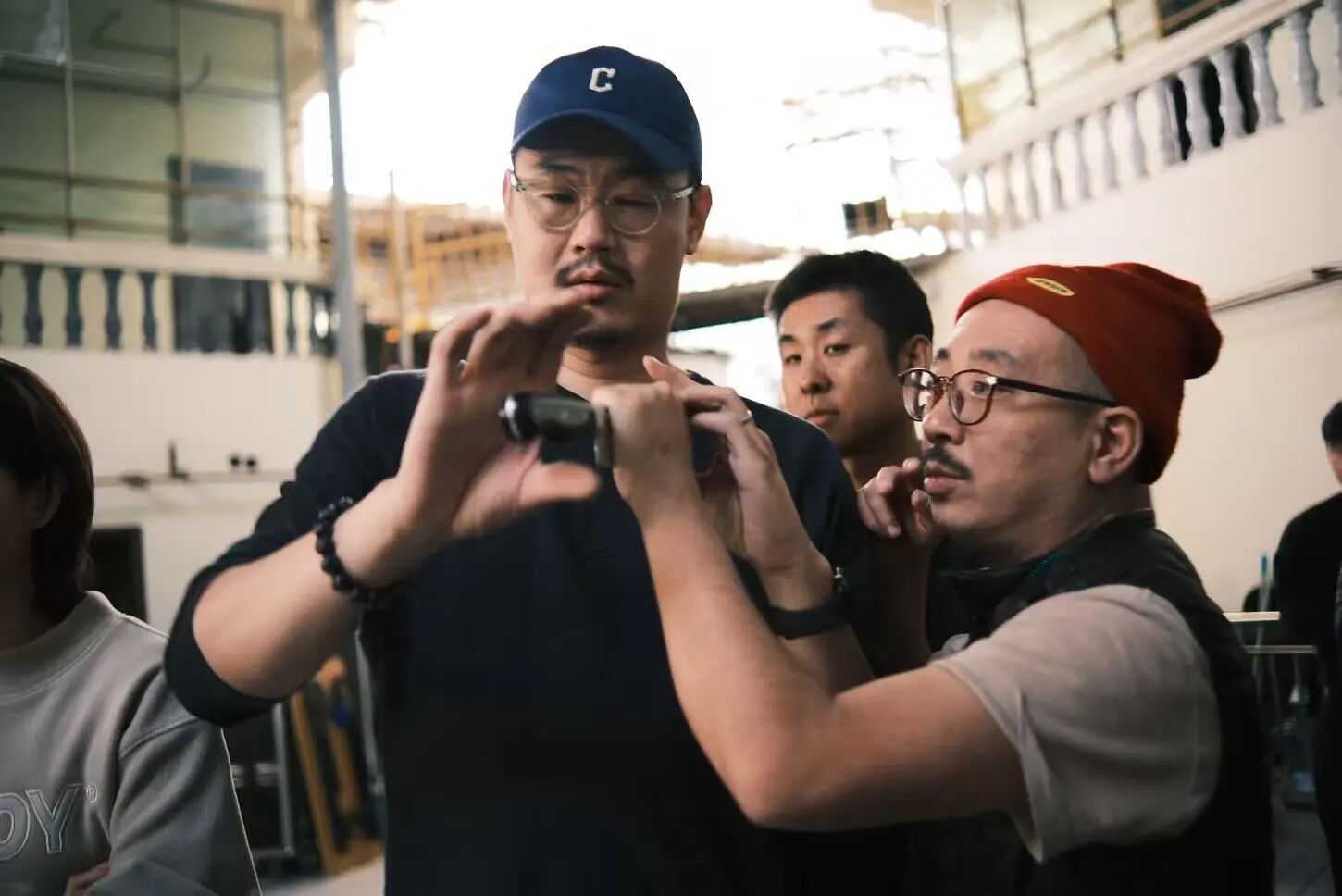
In 2018, Wang Xiaofeng’s Old Zheng Flew to Heaven swept two awards at the FIRST Film Festival’s Pitching Platform. The funds in his bank account were sufficient to sustain him at minimal cost for three years while he made his debut feature film. That year, at age 40, he left the advertising industry. Prior to this, his most celebrated achievements included producing the 2008 music video Beijing Welcomes You and directing the second season of Jincheng Lanzhou.
Seven years later, Old Zheng returned with his feature debut, My Most Special Friend, released nationwide. Over those seven years, besides revising this film, he wrote three more screenplays and frequently contemplated his relationship with cinema. His eighty-year-old mother once asked, “Can’t you do something else? Making movies is so hard!” Having persevered bit by bit for seven years, he replied, “Because I love it! If I had to do it all over again, I’d still fall into the trap of filmmaking.”
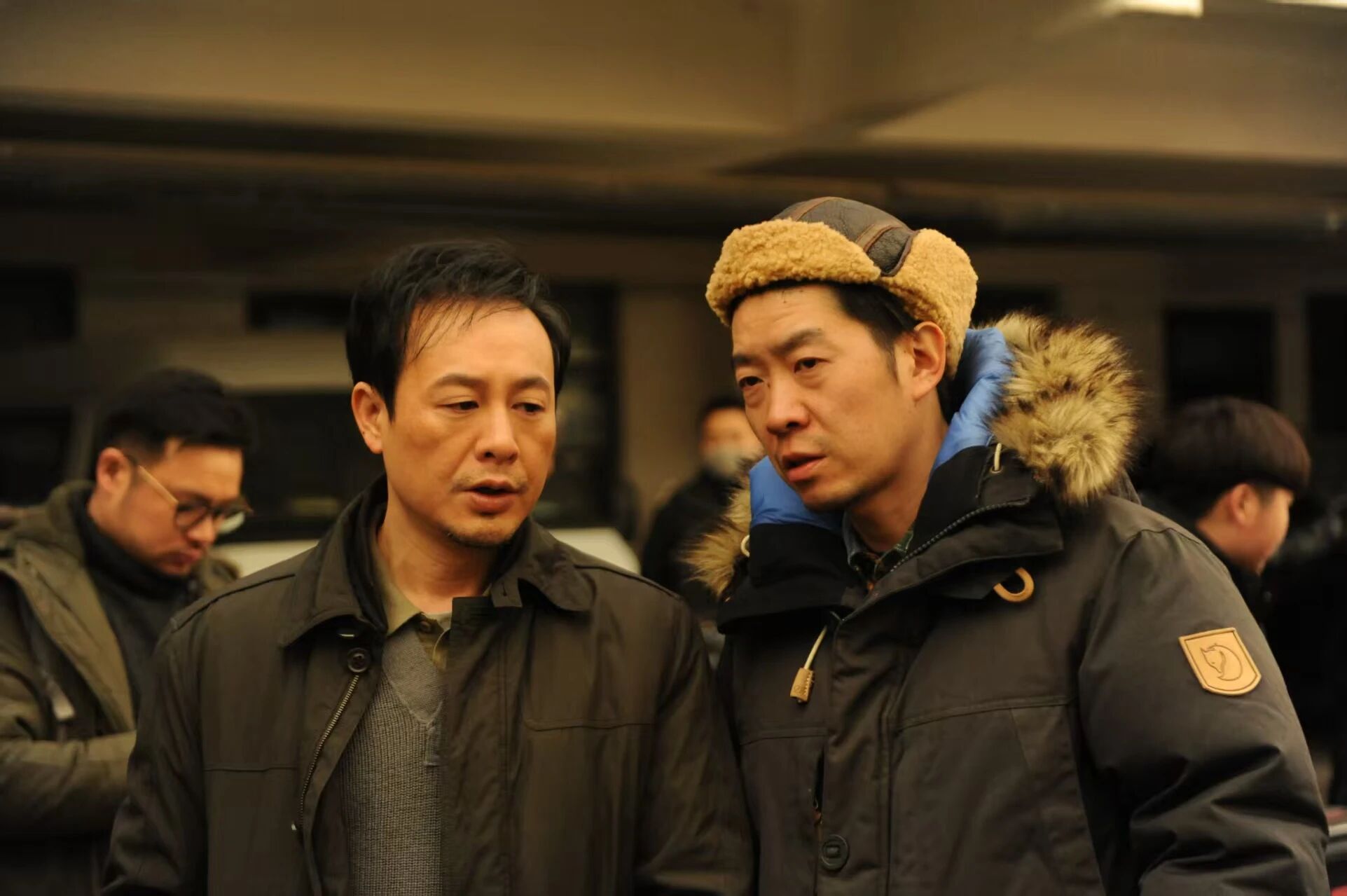
In 2020, Shao Yihui took the stage at the FIRST Film Festival’s public presentation with her film Love Myth. So nervous she went barefoot, she ended up blazing a trail others could happily follow. She believes what you see is what you get, and what you get is always a delight. This mindset carried through to her subsequent work. After Good Stuff, she and a group of fun friends kept planning their next exciting project.
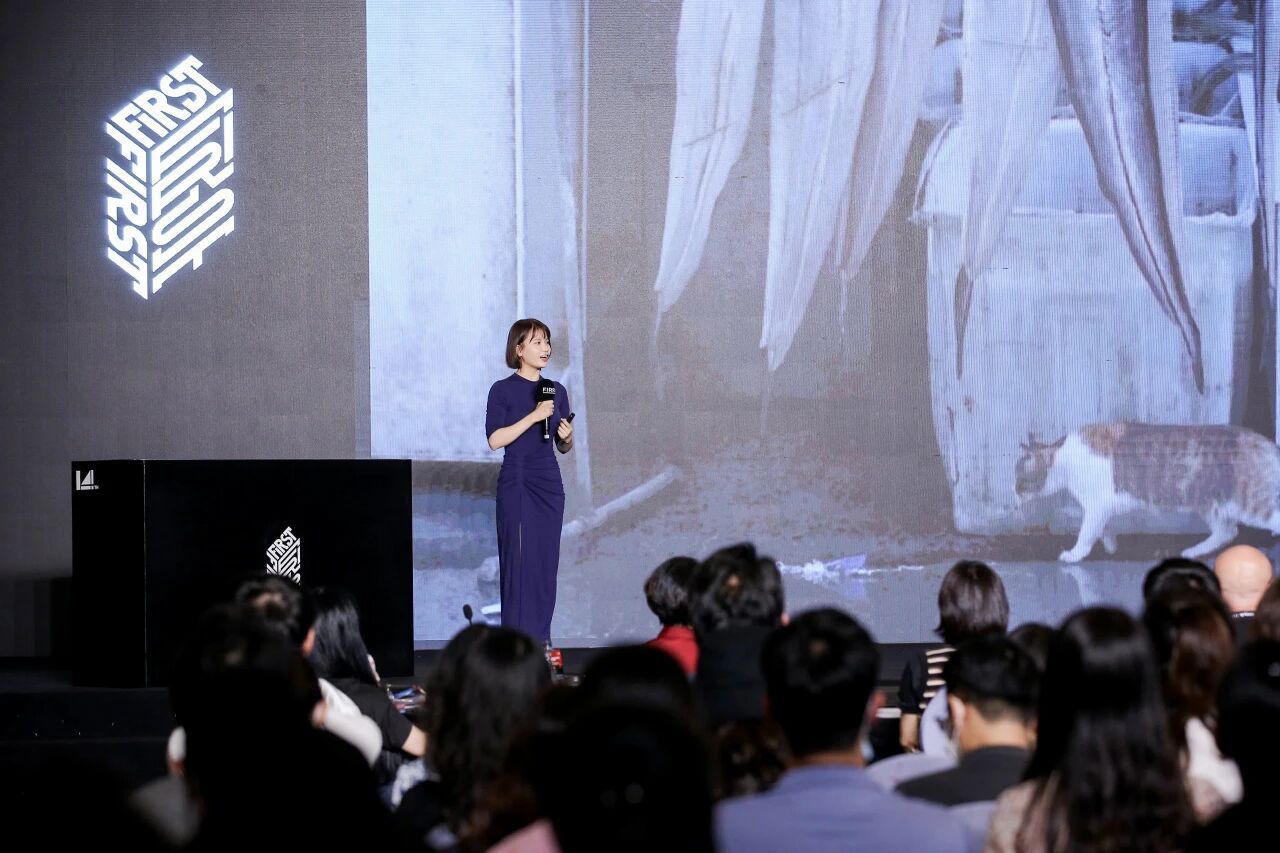
In early 2022, Jing Yi arrived at the FIRST Open Week. Crouching in the courtyard of Building 7, he captured several close-ups of plants, compiled them into a roadshow presentation, and took the stage. Later, he traveled to many places with The Botanist, meeting people from different ethnic groups who spoke different languages. Occasionally, he mused: “Filming is no longer the ultimate goal. Instead, it’s about how this journey’s blessings shape me through creation.”
Life seems akin to plants—there are times of drought, and there are moments of renewal. As the saying goes: When art feels uninspired, that’s precisely when it’s best to create art. Trees endure this cycle too—a kind of encouragement.
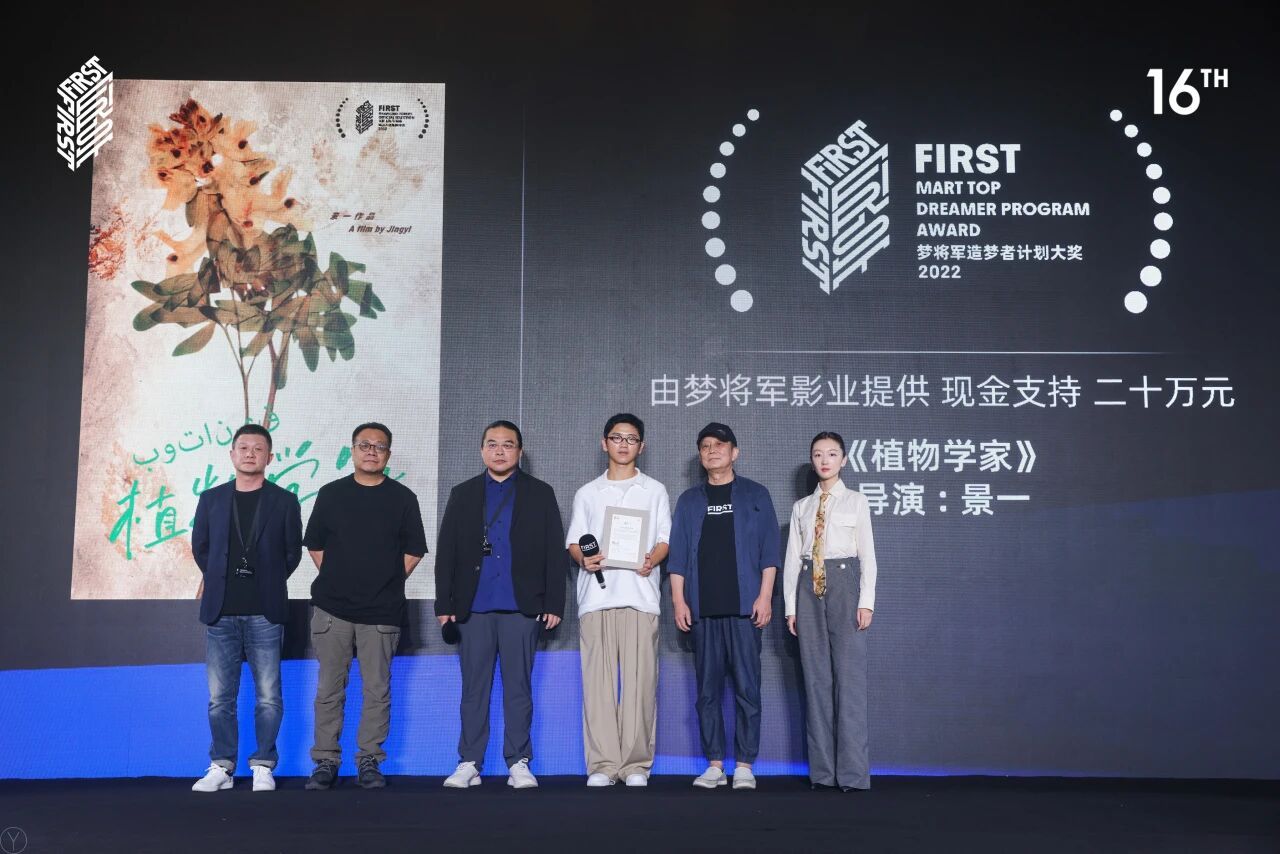
Jiang Xiaoxuan always remembers that slightly chilly night in Xining back in 2023. It was on such a night, after she had just finished her live presentation of A White Horse’s Fever Dream, that she heard both praise and skepticism. As the night breeze blew, her scattered thoughts suddenly found clarity.
Two years later, in 2025, she returned to that same place with her film. On another slightly chilly plateau night, she silently prayed, hoping more than anything to help those around her fulfill their dreams. As she wrote this, she began to ponder: If what one needs most to make a film is some form of encouragement, should one still pursue it?
“Creation is a dialogue with an increasingly fragmented world,” became her provisional answer. She understood that beyond how her work might be defined, beyond loving an abstract ethnicity or group, she yearned to love the concrete, living individuals.
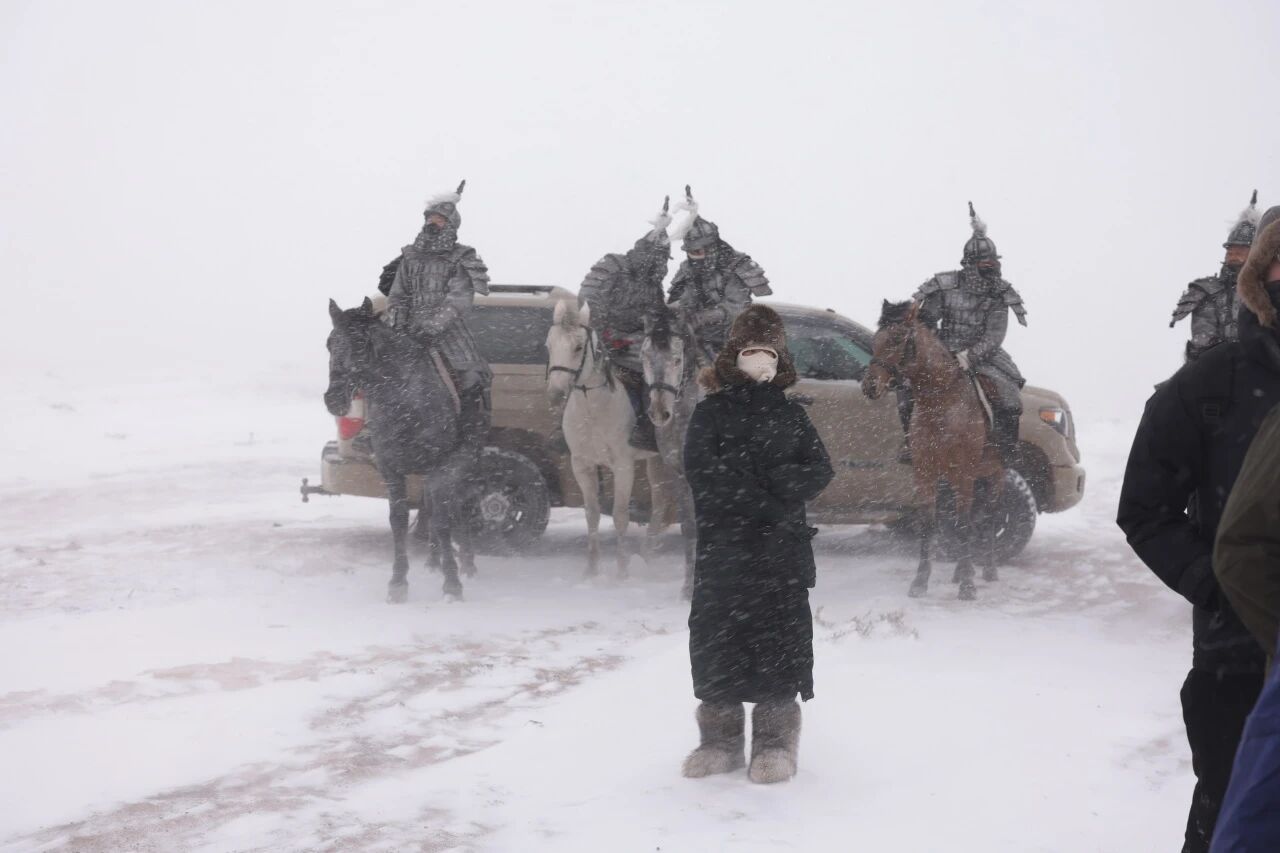
Liu Xiaoyang and Zhang Xiaoying entered the film industry immediately after graduation, but they spent years “creating for others” with little to show for their efforts. Finally, they realized that instead of continuing this path, they should create for themselves. They participated in two film investment forums—in 2019, they didn’t make it to the final round. Though they didn’t get the chance to present on stage, they had a small corner in the second-floor lobby to set up their booth. Back then, they exchanged words of encouragement with fellow creators and did many small things that seemed “futile” to those with more experience.
In 2024, they finally took the roadshow stage. Their film, “Knock Knock’s Farewell” (formerly titled “Shattering Dad’s Skull”), is set to hit theaters in 2026. He says they’ve gone from “knowing nothing” to “knowing a little,” having changed yet never been altered.
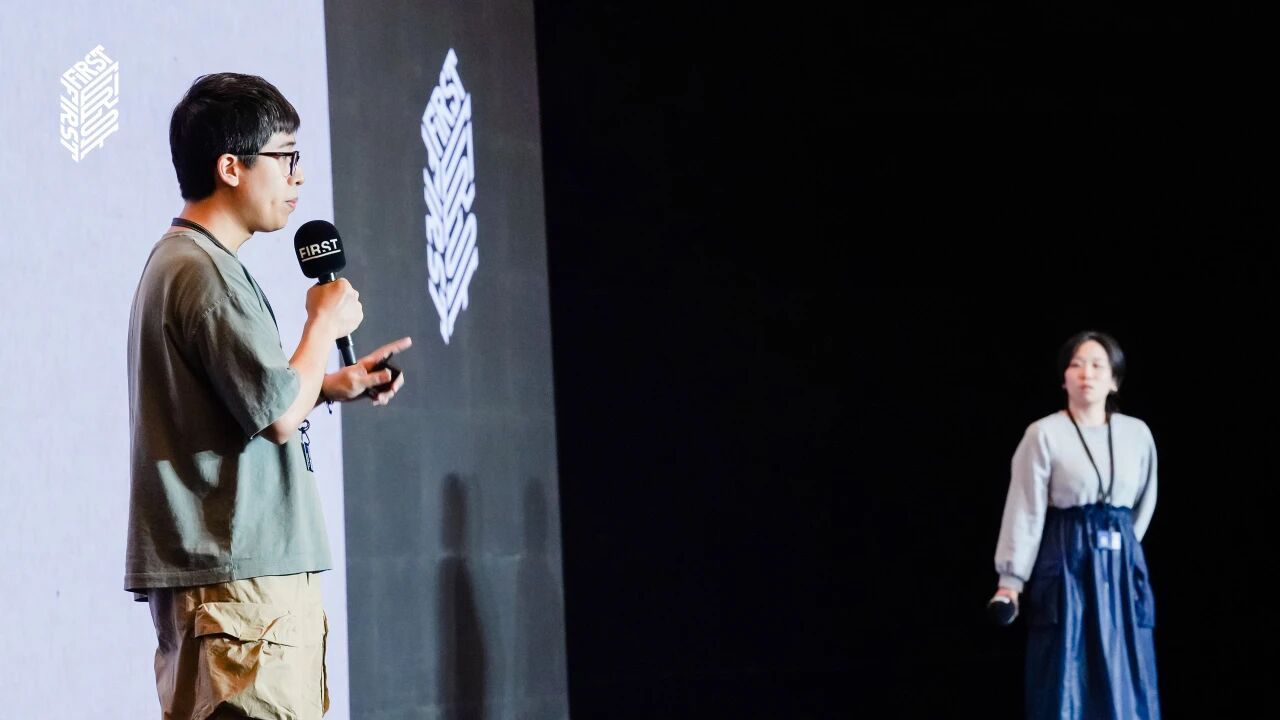
Just ten days into 2026, it feels as though there remains ample time to charge toward the shore.
Over sixteen years, countless creators propelled by inner tides toward the unknown have also stood still when the waves faltered. Transformed by their cinematic instincts, they may well have altered certain facets of cinema itself. Over these sixteen years, creative themes have evolved. Countless moments charging toward “storytelling” collectively form a narrative text that continually grows within the “contemporary.” Through individual “non-conformity,” they resist the erosion of collective unconsciousness, quietly forging a new decentralized collective in the process.
The 20th FIRST Film Market & Pitching Forum officially opens for submissions on January 10th. The deadline is March 31st. Please click the “Read More” link at the end of this article to visit the FIRST official website for guidelines and to complete your application.
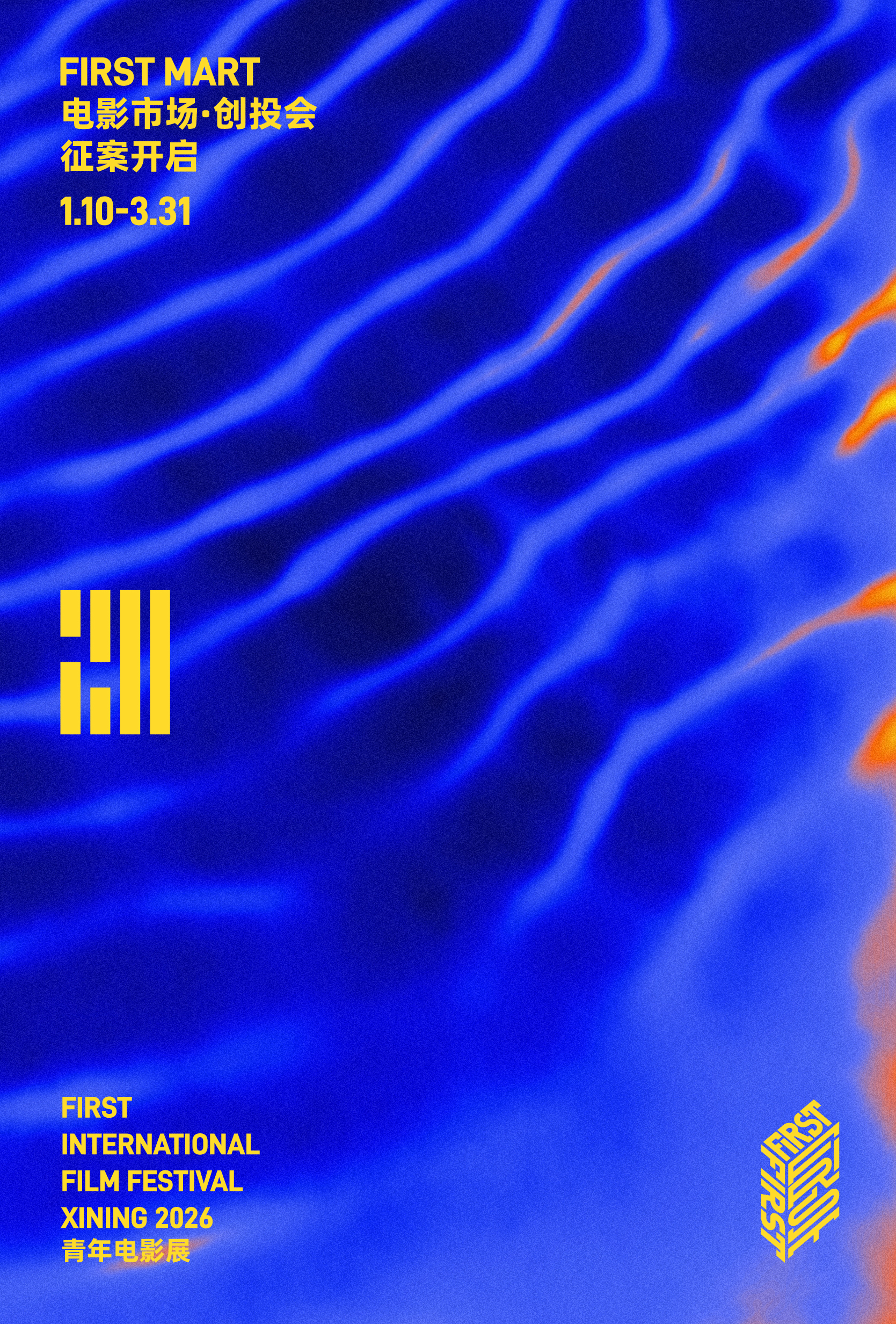
20th FIRST Film Market Main Visual
Salt lakes, oceans in the wrong place,
trapped by tectonic shifts between inland mountains and wastelands.
Like “people out of place”—
in the earth’s crevices,
they preserve the sea’s saltiness and intensity. A certain moist, fluid, corrosive vitality will stir waves within the inland. It cuts through the deep blue order, rippling across uncharted waters.
What we pursue is never the shore of certainty, but how each ripple forms, spreads, vanishes, and silently crystallizes elsewhere—this is the essence of writing itself.
If competitions are enchanting expressions of instinctive states, FIRST Venture Capital is more like an encouragement to break through inappropriately, premised on writing.
Like that opening cinematic moment from the 1960s, expressions initially deemed “inappropriate” often first sketch the contours of the future. While the world measures the present with yesterday’s yardstick, the untimely ones are already writing the grammar of the next era.
Another outstanding untimely figure, Nietzsche: The untimely ones, such as myself, are poorly understood yet better listened to. Strictly speaking, we must never be understood—that is precisely where our authority lies.
The 20th edition continues to anticipate creative endeavors that “may be poorly understood in the present but receive better listening,” and looks forward to those who persist in wielding contemporary language to ascend to new heights.